Understanding Fire Safety Regulations: What Every Business in the UK Should Know
Fire safety is a legal requirement for every business in the UK, but many organisations still misunderstand what’s required of them. The rules aren’t optional, and failing to comply can lead to fines, prosecution, or serious harm to staff and visitors. Whether you run a small office or manage a large commercial site, understanding fire safety regulations is essential for keeping people safe and ensuring your business operates responsibly.
Here’s a clear, practical breakdown of what every employer needs to know.
1. The Regulatory Reform (Fire Safety) Order 2005
The primary piece of UK fire safety law is the Regulatory Reform (Fire Safety) Order 2005, commonly known as the Fire Safety Order (FSO). It applies to all non-domestic premises, including offices, shops, warehouses, and hospitality venues.
Under the FSO, every workplace must have a Responsible Person. This is usually the employer, building owner, or landlord. Their responsibilities include:
- Completing and maintaining a Fire Risk Assessment
- Implementing appropriate fire prevention and protection measures
- Ensuring fire detection and alarm systems are suitable and maintained
- Providing staff with fire safety information and training
- Creating an effective evacuation plan
- Keeping all equipment, doors, signage, and routes in safe working condition
These duties must be met continuously—not just when the business first opens.
2. Fire Risk Assessments: The Foundation of Compliance
A Fire Risk Assessment is legally required for every business. It identifies fire hazards, who could be at risk, and what must be done to reduce those risks. The assessment must be reviewed:
- Annually
- After building or layout changes
- After staff or occupancy changes
- After a fire or near-miss
For many organisations, especially those with complex sites, using a professional assessor ensures full compliance.
3. Fire Detection, Alarms, and Warning Systems
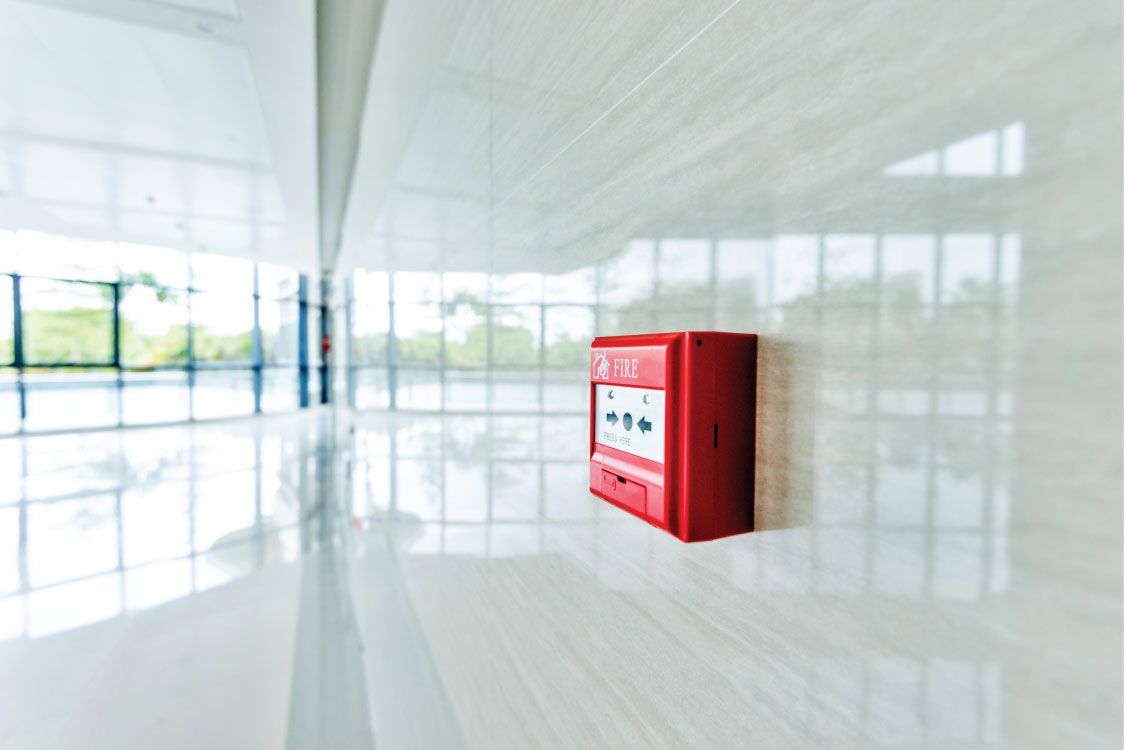
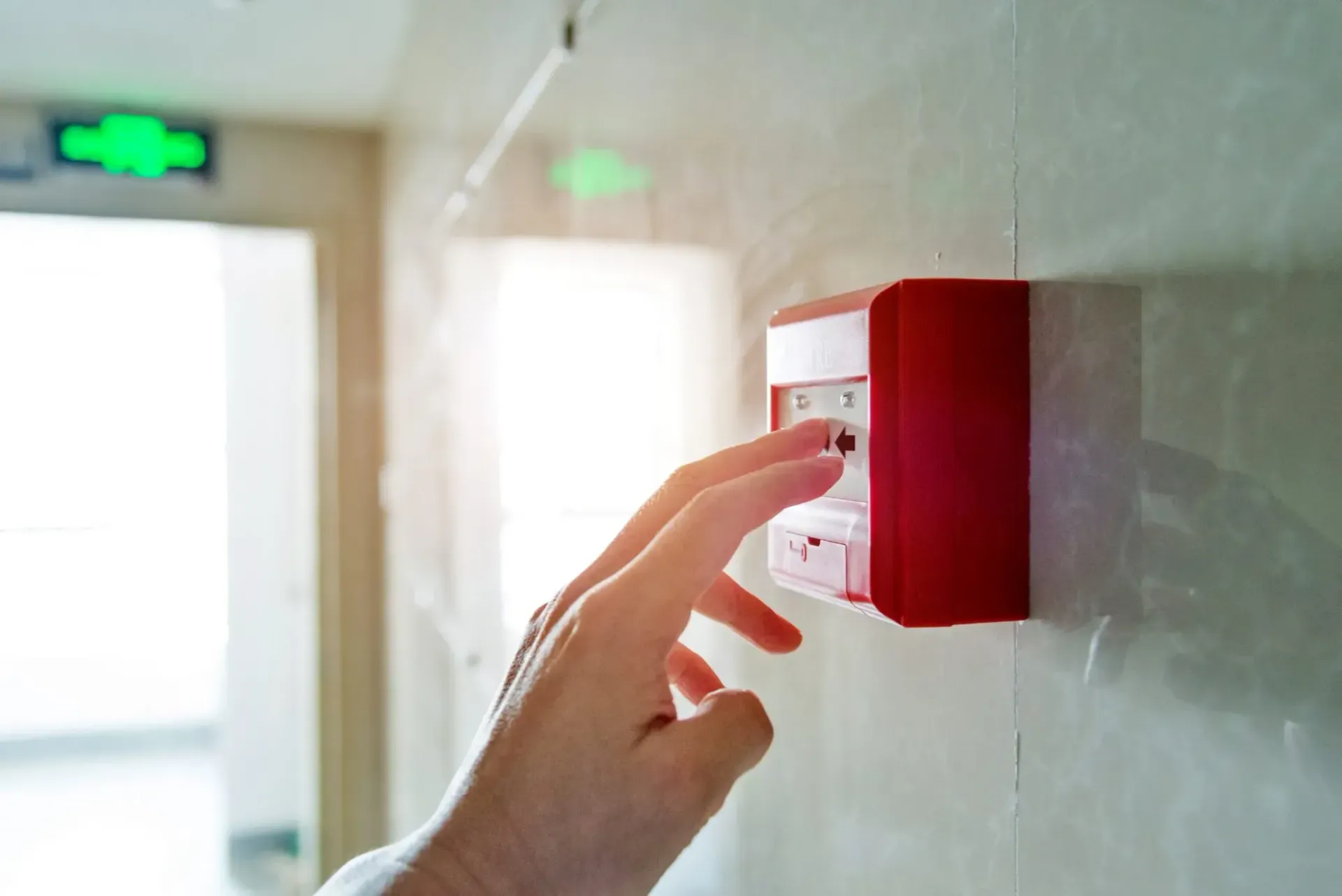
All workplaces must have an appropriate fire alarm system. The required type depends on the building’s size, use, and risk level. Most premises need a fully compliant automatic system that undergoes weekly testing and routine servicing. Even a well-installed system is legally non-compliant if it isn’t properly maintained.
4. Escape Routes, Exits, and Emergency Lighting
Businesses must provide safe, unobstructed means of escape. This includes:
- Clearly marked and illuminated exits
- Escape routes kept free from obstruction
- Correctly fitted and functional fire doors
- Emergency lighting that activates during power loss
Regular checks are essential to ensure nothing compromises a safe evacuation. Once your Fire Risk Assessment is complete, the next step is ensuring your fire detection and alarm systems are suitable and regularly maintained.
5. Firefighting Equipment and Ongoing Maintenance
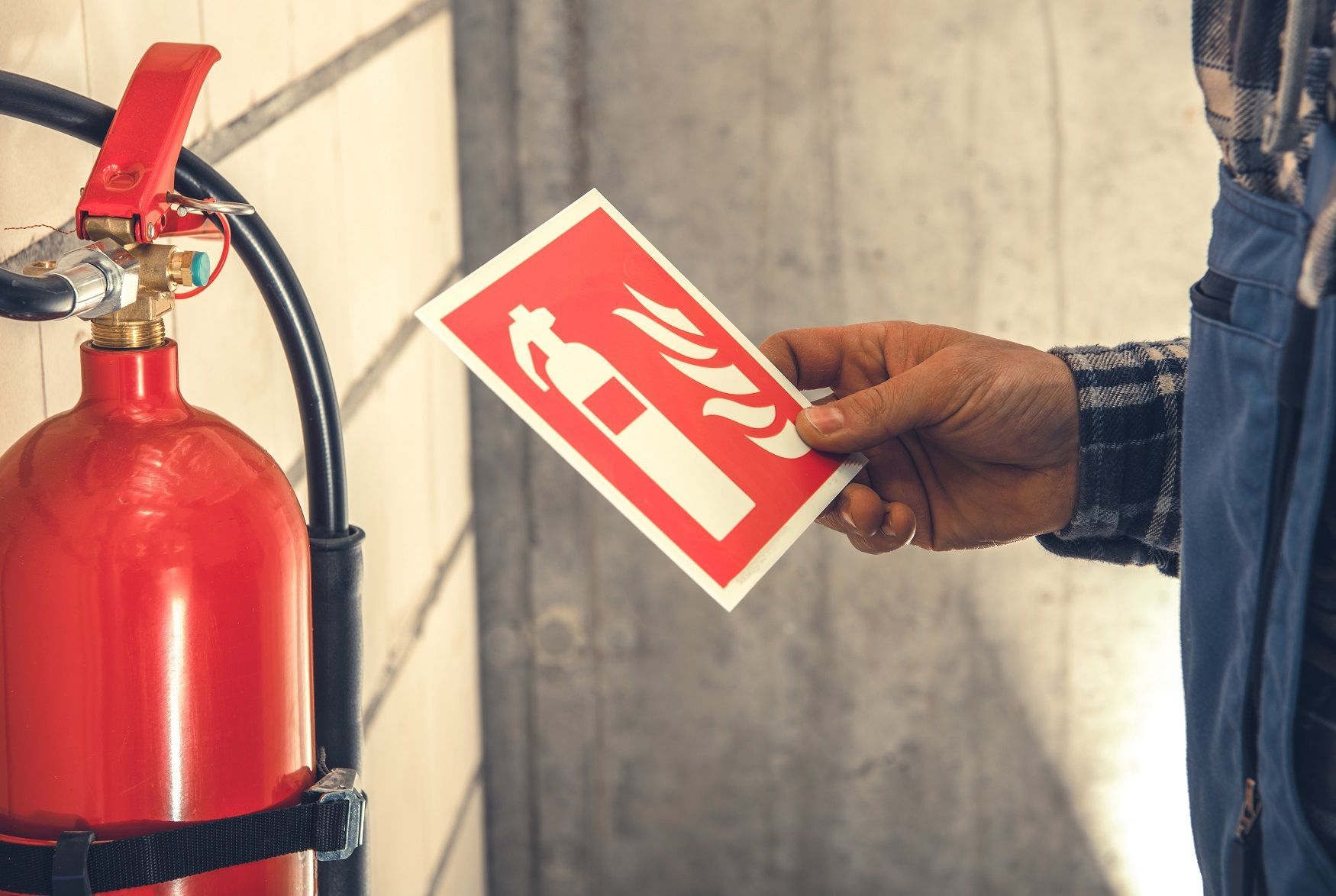
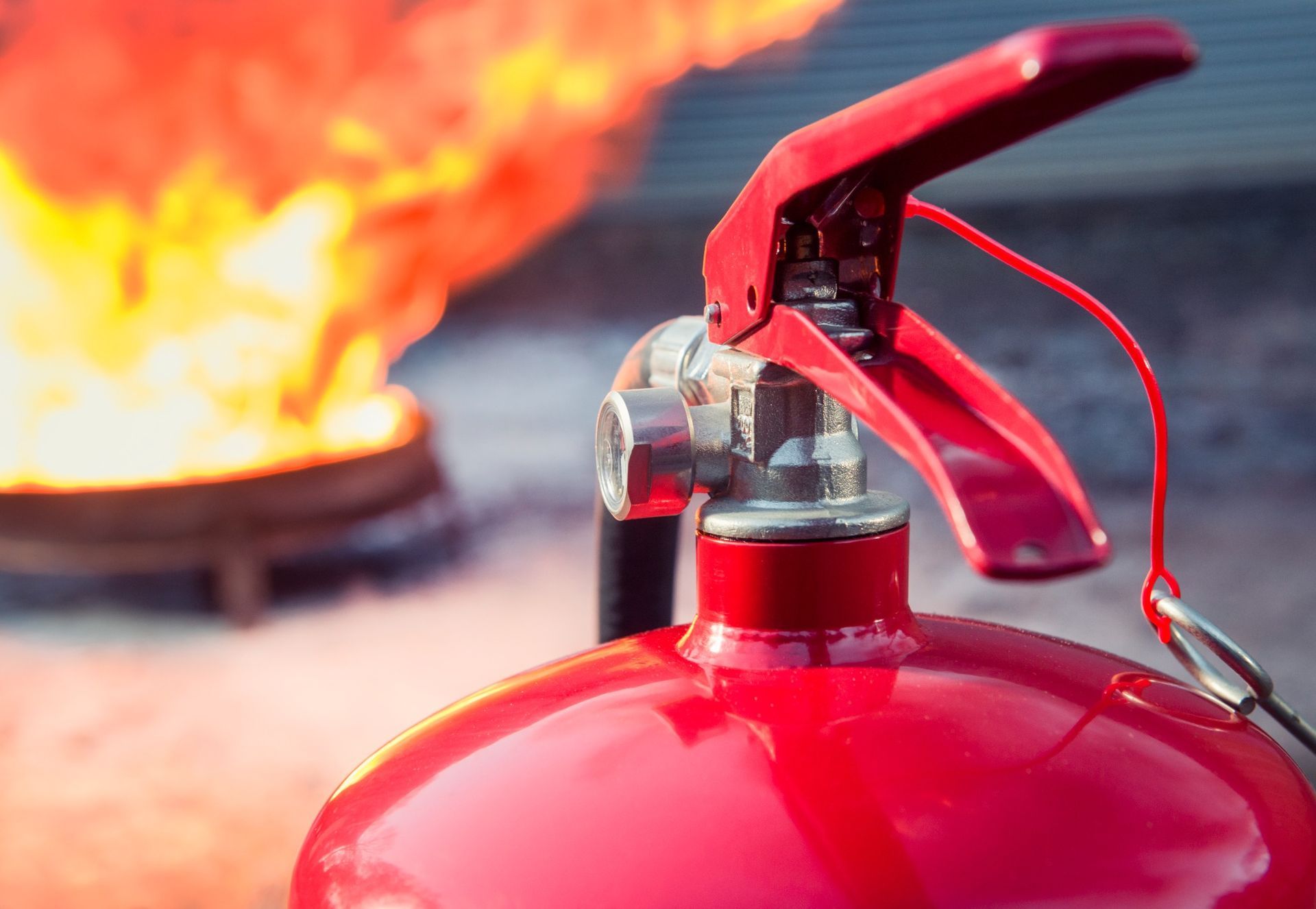
Most workplaces require suitable fire extinguishers, which must be serviced annually by a competent technician. Depending on the business, additional equipment such as fire blankets or suppression systems may also be necessary.
6. Staff Training and Fire Drills
Employees must understand what to do in a fire. Training should cover evacuation procedures, the location of exits and equipment, and the role of fire marshals. Fire drills should be carried out at least once a year, or more frequently in higher-risk environments. Clear, consistent communication and regular drills help ensure staff respond calmly and effectively in an emergency.
Protecting Your Business
Fire safety regulations exist to protect people, and every business has a legal duty to take them seriously. By carrying out regular Fire Risk Assessments, maintaining equipment, and ensuring staff are trained, you create a safer workplace and stay compliant with UK law. If your business needs support or guidance, we can help you stay protected and up to date. Contact us today!